

This white paper provides practical guidance for how key actors in the electricity value chain should account for greenhouse gas emissions in Morescope, aligned with the GHG Protocol. It clarifies how fuel producers, power generators, utilities/energy distributors, and energy consumers should classify and report emissions across Scopes 1, 2, and 3, with a focus on the most material sources for each role (e.g., combustion, fugitive methane, SF₆, upstream fuel supply, and transmission and distribution losses). The aim is to improve consistency across organizations and reduce downstream reporting risk for customers who depend on supplier emissions data. The paper also highlights why carbon accounting is strategically critical for energy companies. Because nearly all sectors depend on low-emission electricity to decarbonize, energy companies sit at the core of the transition while energy demand continues to grow. This creates a market dynamic where demand for low-emission energy often outpaces supply, making decarbonization closely linked to scaling renewables and reducing CO₂ intensity per unit of energy delivered. In some markets, including Norway, building the renewable infrastructure required for economy-wide decarbonization can temporarily increase absolute emissions during construction, reinforcing the need for transparent accounting that tracks both short-term impacts and long-term reductions enabled by investment. Finally, the white paper frames carbon accounting as a foundation for action.
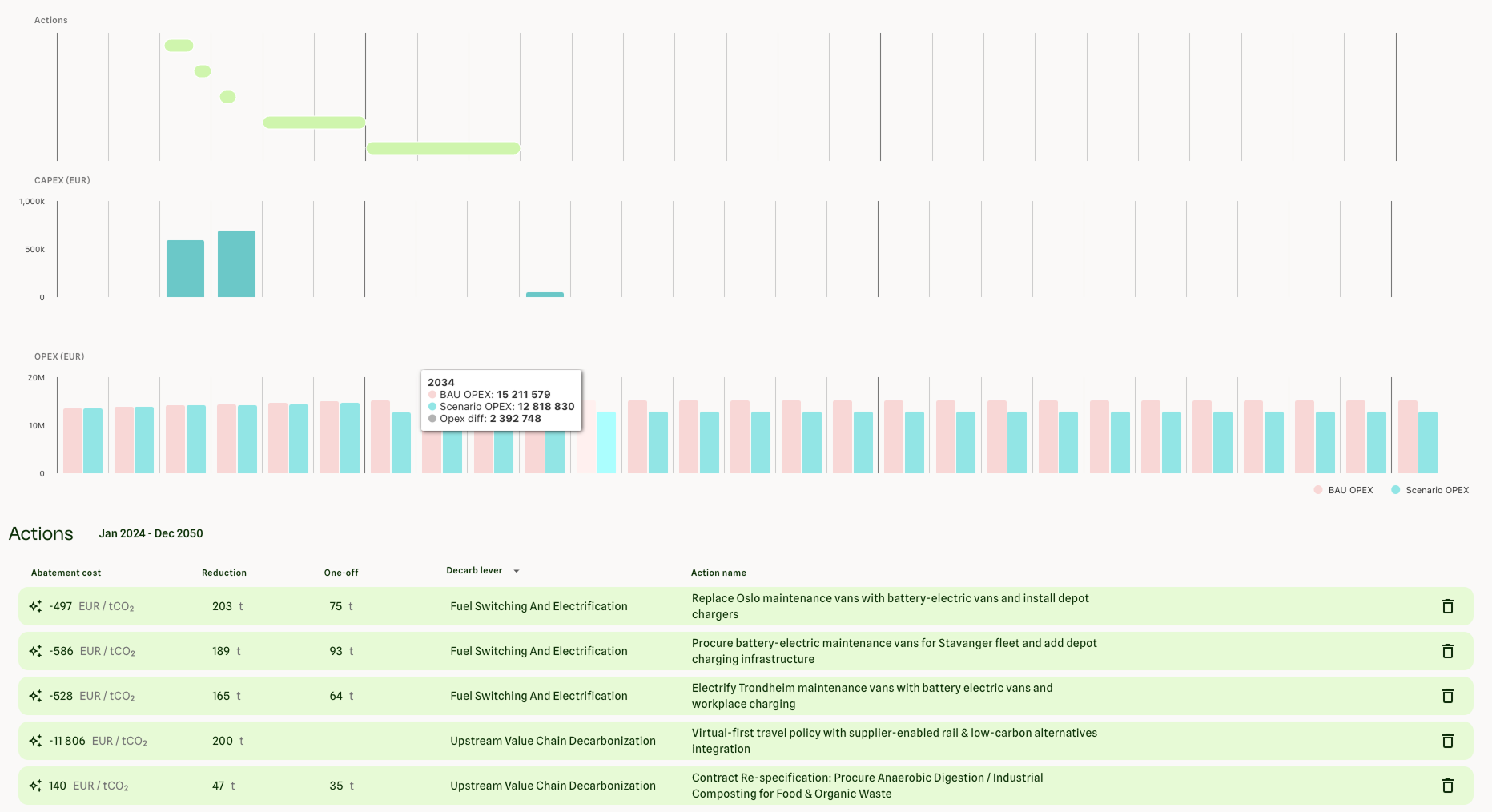
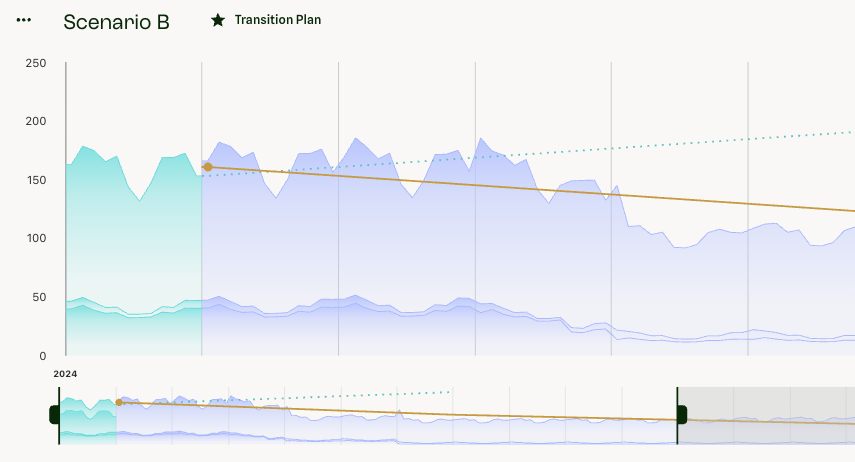
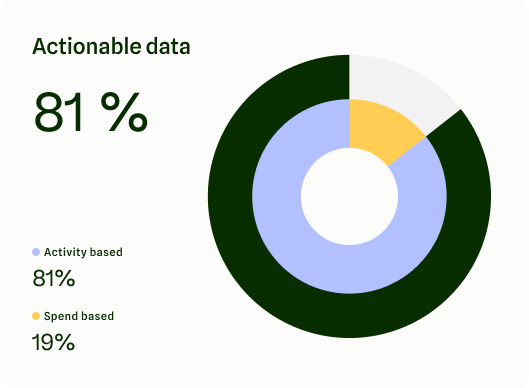
Decarbonization planning is most effective when emissions inventories are based on activity data that can be linked to assets and operational levers enabling credible scenarios, prioritized initiatives, and measurable progress over time.




%20(1).JPG)



%201.JPEG)


.png)


.png)


